Subscribe to our newsletter
Thanks you for subscription!
Oops! Something went wrong while submitting the form.


In the rapidly evolving field of healthcare technology, deploying Generative AI within the rigid framework of HIPAA compliance presents a unique set of challenges. As healthcare institutions look to harness the benefits of AI, it's crucial to adhere to best practices that ensure both innovation and compliance go hand in hand. In this blog, we will look at 4 best practices you can adopt when deploying Generative AI in HIPAA compliant environments.
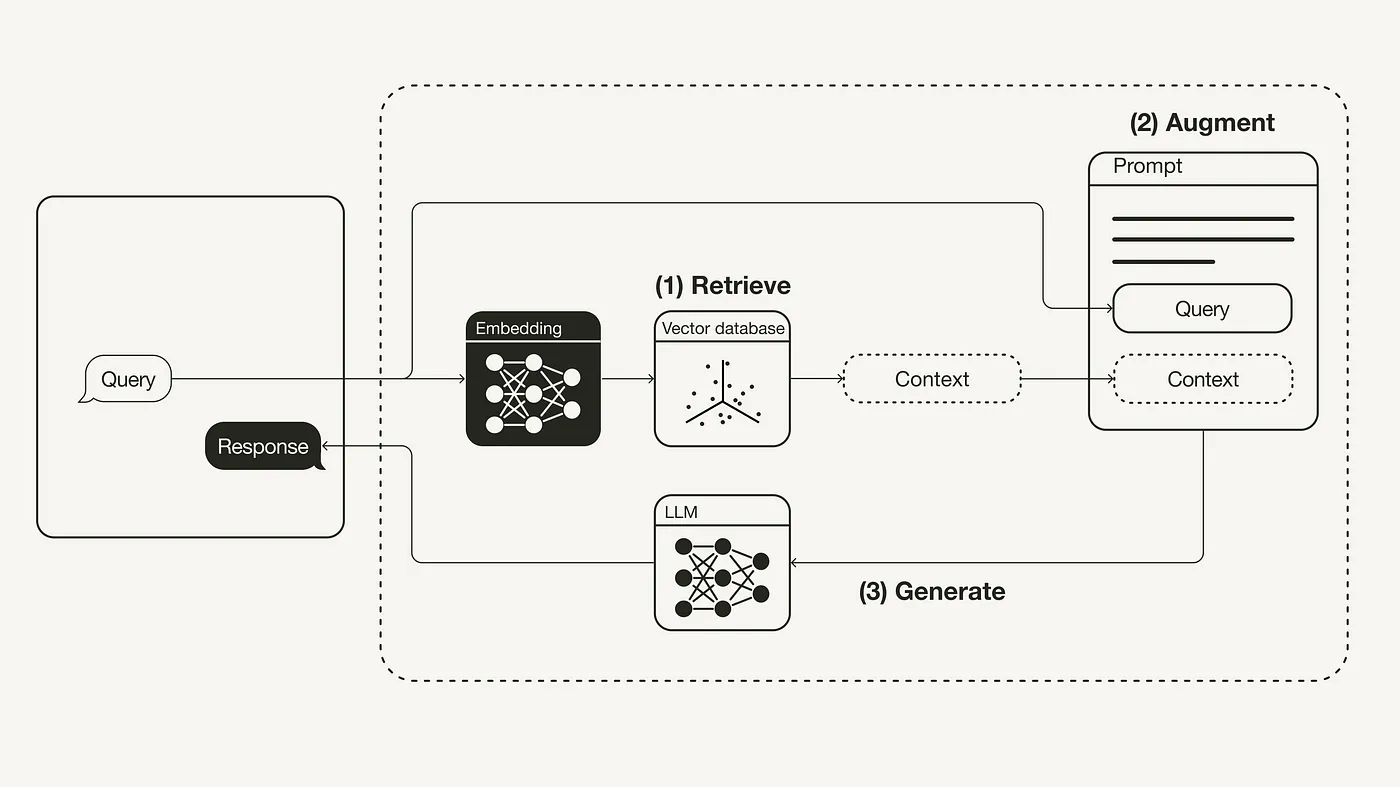
One effective strategy is the use of Retrieval Augmented Generation (RAG). By enriching base large language models with domain-specific, proprietary information, RAG significantly enhances the accuracy and relevance of AI outputs. This approach not only reduces the likelihood of generating inaccurate information, or 'hallucinations', but also improves audibility – a key concern in healthcare applications.
The cornerstone of HIPAA compliance lies in the stringent handling of PII and PHI. It is imperative that healthcare organizations rigorously scrub out all traces of PII and PHI from their datasets before employing them in training or operating their Generative AI models. This step is vital in mitigating risks of data breaches and ensuring compliance with data protection laws.
Even though Generative AI models are incredibly impressive, they are by no means foolproof. In domains where the outcome is as important as healthcare, it is important that the outputs are trusted. This is why we always recommend that Generative AI applications are only advisory, and expert humans-in-the-loop are responsible for the final decision making and caregiving.
As highlighted by the limitations of platforms like ChatGPT in meeting HIPAA standards, the safest route for deploying Generative AI is within a secure, controlled environment. Open-source models, tailored to specific institutional needs, offer a viable solution. They enable organizations to maintain control over their AI tools while ensuring compliance and data security.
In this context, tools like the Titan Takeoff Inference Server are proving invaluable. They simplify the deployment of open-source Generative AI models, making the process more accessible, especially for institutions with limited access to GPU resources. This server not only facilitates ease of deployment but also aligns with the stringent requirements of HIPAA, ensuring that healthcare providers can confidently leverage the power of AI without compromising on compliance.
As the healthcare sector continues to navigate the complexities of integrating advanced technologies like Generative AI, the emphasis must always be on striking a balance between innovation and compliance. By adhering to these best practices, healthcare institutions can not only leverage the transformative potential of AI but do so in a manner that upholds the highest standards of patient privacy and data security. The road ahead is one of cautious advancement, where compliance with regulations like HIPAA is not just a legal obligation but a moral imperative in the pursuit of better healthcare outcomes.
Reach out to [email protected] if you would like to learn more and find out if the Titan Takeoff Inference Server is right for your Generative AI application.


Teams use Doubleword to run low-cost, large-scale inference pipelines for async jobs.
Free credits available to get started.
